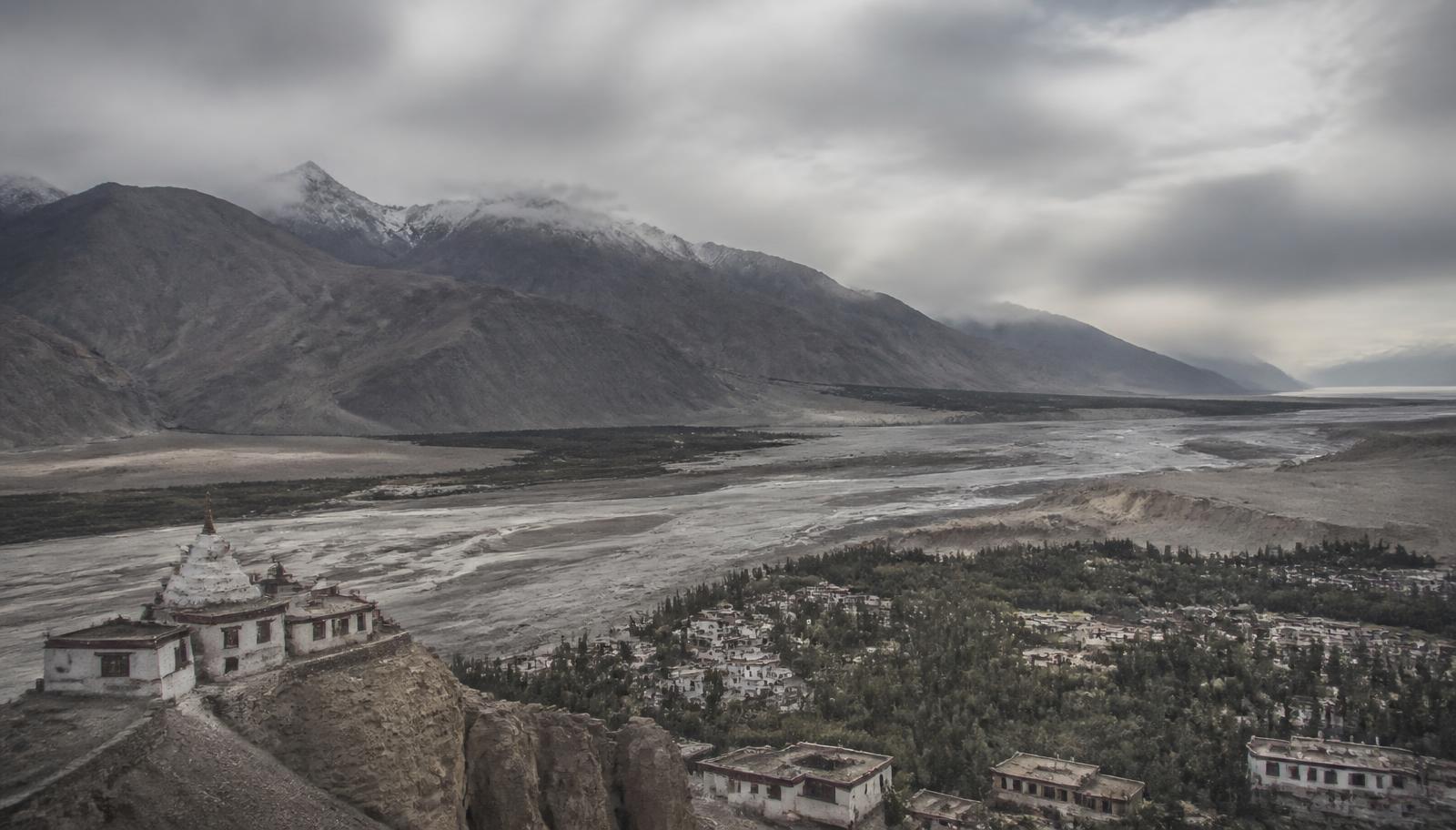
The India Campaign
India Is
Our Home.
This is not about blaming India, and not about comparing Indians badly with anyone. Every country creates waste. Every society consumes. Every country has a responsibility. But we are Indians, so India is our responsibility.
And you don't throw garbage around your home.
Our streets are our responsibility.
Our villages are our responsibility.
Our mountains are our responsibility.
Our forests are our responsibility.
Our rivers are our responsibility.
Our beaches are our responsibility.
Our ocean are our responsibility.
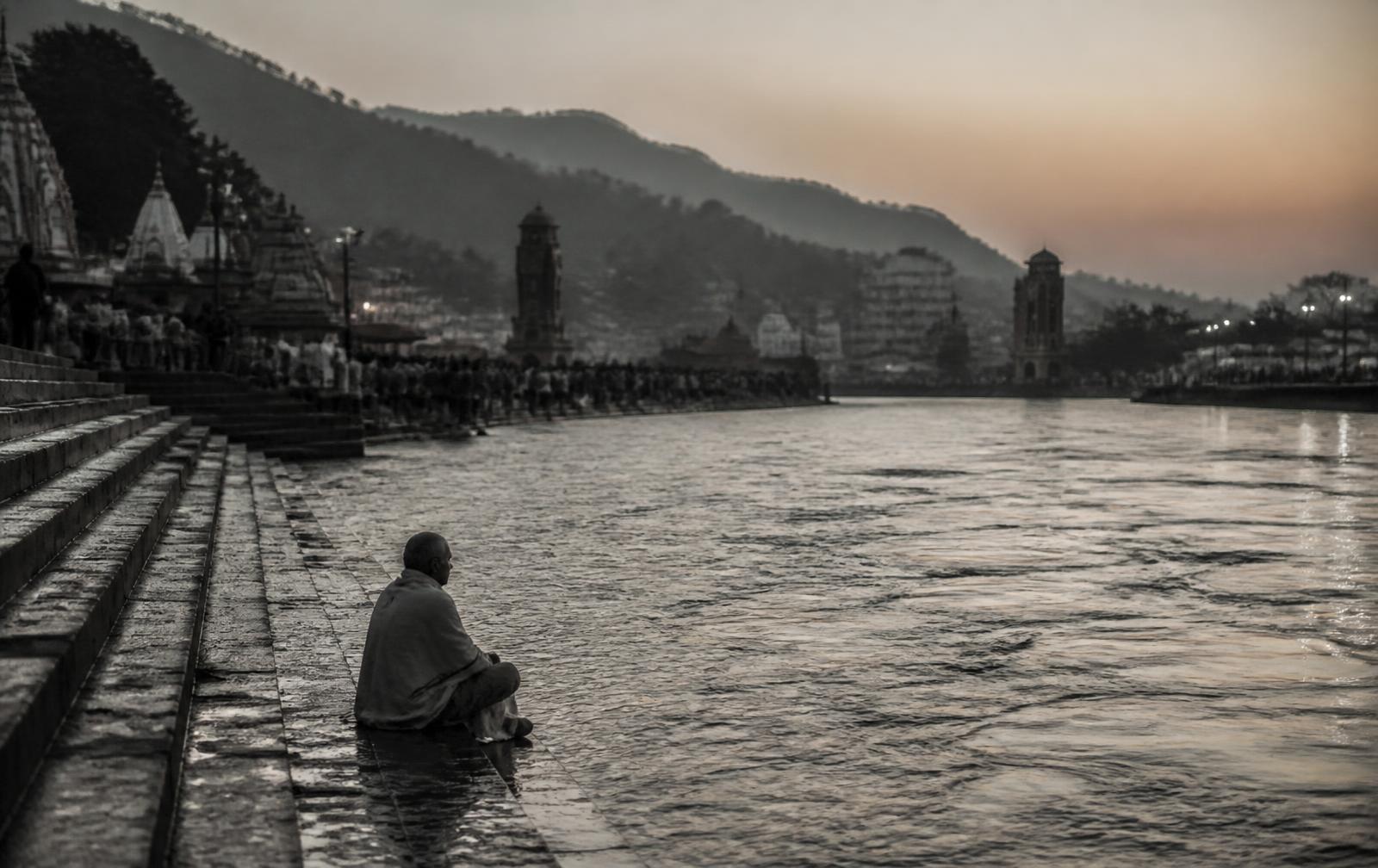
Haridwar — Devotion Without Waste
4.8 Crore+
Approximately 4.8 crore Kanwariyas participated in the 2026 Kanwar Yatra, according to police figures reported in the media.
~8,000 Metric Tonnes
Haridwar Municipal Corporation reportedly collected approximately 8,000 metric tonnes of waste from the Ganga ghats and mela areas during the Kanwar Yatra. The waste reportedly included discarded clothing, plastic sheets and other refuse.
Read source (opens in a new tab)A note on the numbers
Some initial reports cited approximately 7,000 tonnes as the clean-up began. TRASH HERE displays the most clearly attributed municipal figure — roughly 8,000 metric tonnes — while noting transparently that reported figures differed.
Source: Business StandardBusiness Standard — Kanwar Yatra ends with 7,000 tonnes of waste, Haridwar starts cleanup(opens in a new tab)This is not about religion.
This is about responsibility.
Millions of people can come together in devotion.
Millions of people can also come together to protect the place they consider sacred.
A sacred river should not become a dumping ground after a sacred journey.
If the river is sacred, protecting the river is sacred too.
The challenge
Can India create the world's cleanest large-scale pilgrimage?
We do not criticise pilgrims, and we do not criticise any faith or community. We ask organisers, companies, municipalities and every one of us to make the next gathering cleaner than the last.
India's Waste
What does India throw away?
1,70,338 Tonnes / Day
Average solid waste generated in India.
Government of India information based on the Central Pollution Control Board's 2021-22 annual report.
Source: Govt of India / CPCBPress Information Bureau, Government of India — Solid Waste Management — figures based on CPCB Annual Report 2021-22(opens in a new tab)~62 Million Tonnes / Year
Annualised equivalent of the reported daily average (calculation, not a separately reported figure).
1,70,338 tonnes per day × 365 days. TRASH HERE calculates this from the reported daily average; it is not itself a separately published government statistic.
Source: Govt of India / CPCBPress Information Bureau, Government of India — Solid Waste Management — figures based on CPCB Annual Report 2021-22(opens in a new tab)The annual figure is a straight annualisation of the reported daily average, calculated by TRASH HERE. It is not a separately reported government statistic.
India's Plastic Waste
3.9 Million Tonnes / Year
Estimated plastic waste generation in India for 2021-22.
CPCB's 2022-23 annual report reported estimated plastic waste generation of approximately 3.90 million tonnes for 2021-22, based on information supplied by India's States and Union Territories.
Source: CPCBCentral Pollution Control Board, Government of India — Annual Report 2022-23 on implementation of the Plastic Waste Management Rules (data for 2021-22, supplied by States and UTs)(opens in a new tab)The specific CPCB annual-report citation is listed in our research library, together with every other number on this site.
India's E-Waste
The new device arrives.
Where does the old one go?
1.40 Million Tonnes
Estimated e-waste generated in India during FY 2024-25.
CPCB estimated approximately 1.398 million tonnes of e-waste generation in India during FY 2024-25 under the applicable reporting framework.
Source: Govt of India / CPCBPress Information Bureau, Government of India — E-waste generation in India (CPCB estimates, FY 2024-25)(opens in a new tab)- Phones
- Televisions
- Laptops
- Chargers
- Batteries
- Headphones
- Appliances
- Accessories
Every country has a problem
Waste has no nationality.
USA creates waste. China creates waste. India creates waste. Europe creates waste. Developed economies create waste. Developing economies create waste. Every society has different consumption patterns and different waste-management challenges — and TRASH HERE is not about pointing fingers across borders.
India
~0.6 kg per person per day
Lower per person than most rich economies — and still our responsibility.
Source: World BankWorld Bank — What a Waste 2.0: A Global Snapshot of Solid Waste Management to 2050(opens in a new tab)But we live here.
Per-person figures are indicative estimates from the World Bank's global dataset and are shown to illustrate that every society generates waste. Countries measure and report differently, so these numbers are not a league table.
We cannot clean another country before taking responsibility for our own surroundings. We can start with our room, our home, our street, our neighbourhood, our village, our city, our country.
My home → my country
Responsibility expands.
My Room
My Room
The floor you would never drop a wrapper on.
My Home
The place you sweep, wipe and care about daily.
My Building
Shared stairs, shared corridors, shared mess.
My Street
The corner that quietly becomes a dump.
My City
Drains, bins, trucks, landfills — all of it ours.
My State
Rivers and roads that cross every neighbourhood.
My India
Mountains, forests, coastlines, villages.
My Planet
Where everything ends up, eventually.
If I don't throw garbage on my bedroom floor, why should I throw it on my street?
If I want my home clean, why shouldn't I want my city clean?
If I respect a temple, why shouldn't I respect the river beside it?
If I love India, protecting India's land and water is part of that love.
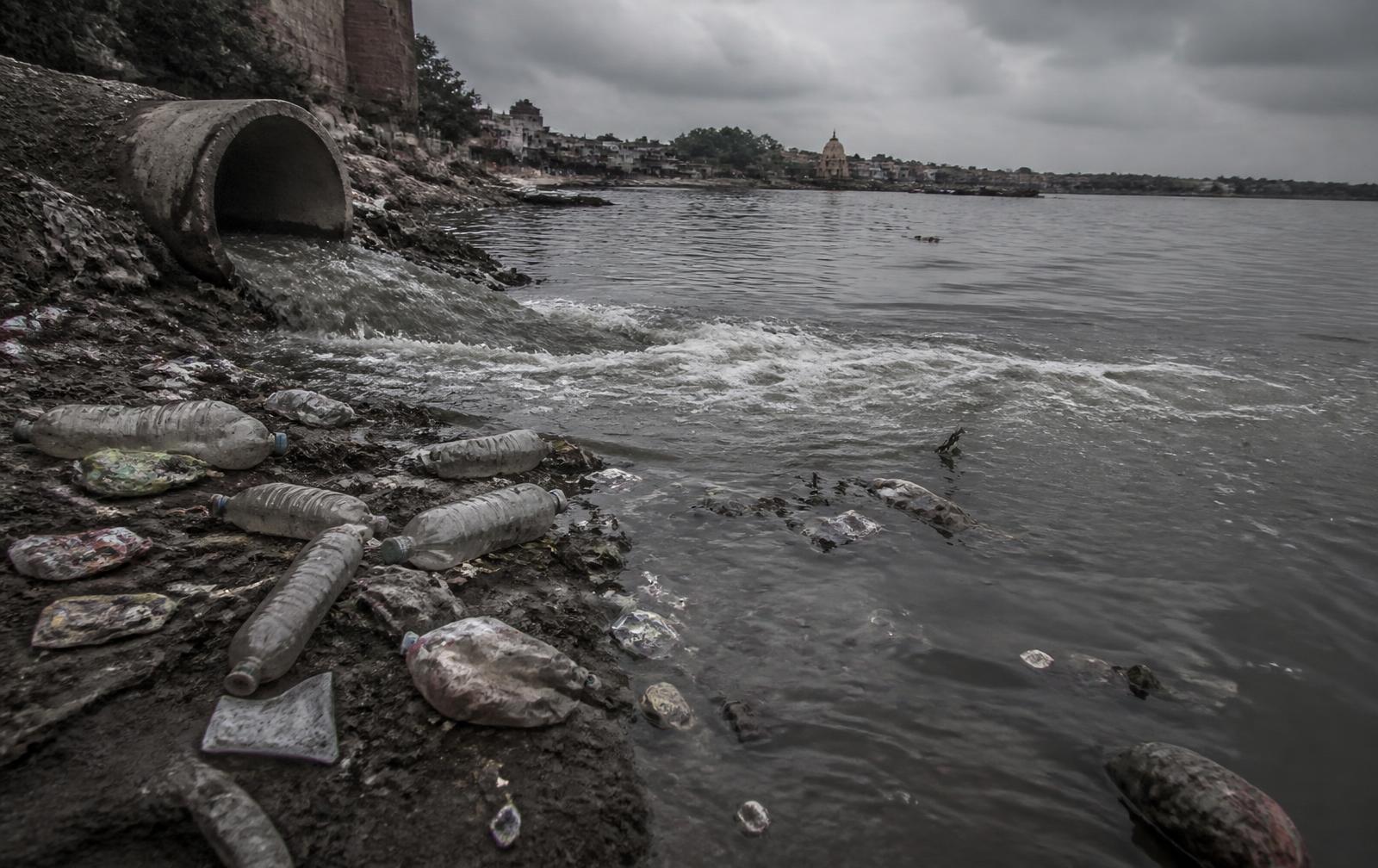
Our rivers are not dustbins
A river carries what we give it.
Ganga
Flows through the most densely populated basin in the country.
Yamuna
Carries the runoff of some of India's largest cities.
Brahmaputra
A vast braided river across the north-east.
Godavari
The longest river of peninsular India.
Narmada
Central India's westward-flowing lifeline.
Krishna
Feeds farmland across four states.
Kaveri
Sacred and contested across the south.
- Street litter
- Drain
- River
- Sea
- Ocean
Trash does not disappear when it leaves our hands. It simply becomes somebody else's problem — or eventually comes back into the ecosystems we depend on.
From river to ocean
One bottle, one long journey.
01
Someone throws it.
02
Rain moves it.
03
It enters a drain.
04
The drain connects with a waterway.
05
The waterway reaches a river.
06
The river moves toward the sea.
07
The plastic may persist, fragment or become part of a much larger pollution problem.
You threw it for 2 seconds.
Nature may carry the consequences for years.
Festivals without trash
Celebrate. Don't litter.
The principle applies respectfully to large public gatherings of every kind. This movement never targets one religion or community.
- Religious pilgrimages
- Festivals
- Concerts
- Political gatherings
- Sporting events
- Fairs
- Tourism
- Public celebrations
More people should not have to mean more litter.
Bring reusable bottles.
Avoid unnecessary disposable plastic.
Use designated waste bins.
Separate recyclable waste.
Do not throw clothing or packaging into rivers.
Carry your waste until you find an appropriate disposal point.
Organizers should provide adequate collection infrastructure.
Companies selling products at events should help manage the waste they create.
Who is responsible?
Government
- Infrastructure
- Waste collection
- Waste processing
- Enforcement
- Public sanitation
Companies
- Packaging
- Product design
- Take-back systems
- Durability
- Producer responsibility
Event Organizers
- Bins
- Collection systems
- Volunteers
- Education
- Clean-up planning
Us
- What we buy
- What we carry
- What we reuse
- What we throw away
- Where we throw it
Responsibility is shared.
Government alone cannot solve it. Companies alone cannot solve it. Citizens alone cannot solve it. We need all three.
A central philosophy
Don't blame. Begin.
“Which country creates more waste?”
What can I stop throwing away?
“What is the government doing?”
What am I doing?
“Why do companies use so much packaging?”
Why do I keep buying things I don't need?
India, let's clean our home.
This land is our home.
These rivers are our rivers.
These mountains are our mountains.
These streets are our streets.
These beaches are our beaches.
This ocean touches our home.
We don't need to wait for the entire world to change before we begin.
Start where you stand.
- Buy less.
- Choose better.
- Carry reusable products.
- Refuse unnecessary packaging.
- Repair.
- Reuse.
- Recycle responsibly.
- Never litter.
- Leave a place cleaner than you found it.
- Ask companies to do better.
- Ask governments to build better systems.
- And hold ourselves to the same standard.
Trash Here — India is our home.
Let's stop treating it like someone else's responsibility.
Buy less • Use longer • Repair more • Reuse more • Throw less
There is no “away.”