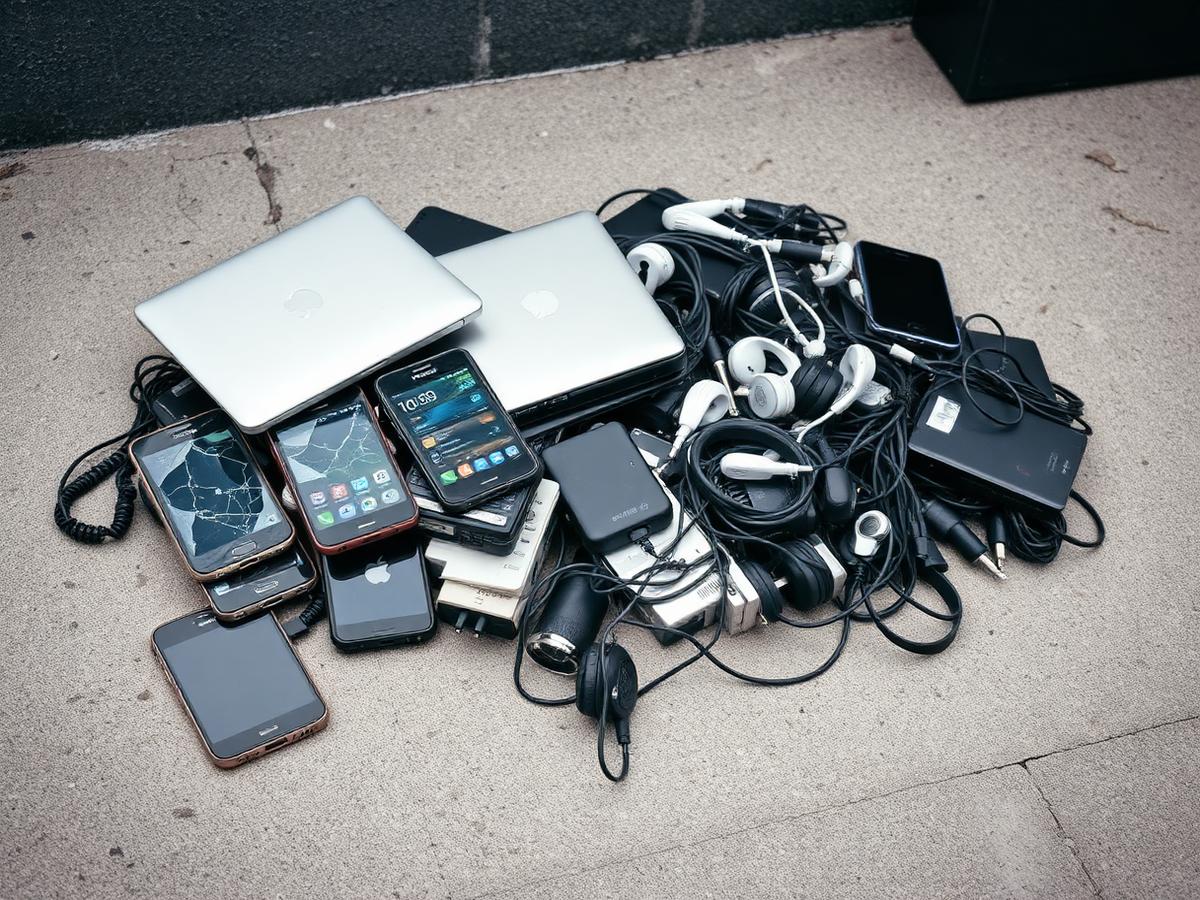
Technology
Phones, laptops, chargers, batteries, headphones and electronic accessories.
Technology should evolve. Waste shouldn't have to.
Read more →The Problem
Overconsumption is not a personal failure — it is a system of design, marketing, pricing and convenience. Understanding it is the first act of resistance.
The Consumption Cycle
The system is not broken — it is working exactly as designed. Products are made to be replaced, and replacement is measured as growth.
Step 01
Companies release new versions constantly. Marketing turns wants into needs, and buying becomes a reflex rather than a decision.
The Numbers
We publish the number, the year, the definition and the link to the original research. Click any source and read it yourself.
2.1 Billion Tonnes
Municipal solid waste generated globally in 2023.
Global municipal solid waste generation was approximately 2.1 billion tonnes in 2023 and is projected to reach 3.8 billion tonnes by 2050.
Source: UNEP 2024United Nations Environment Programme (UNEP) — Global Waste Management Outlook 2024(opens in a new tab)$640.3 Billion
Projected annual cost of waste by 2050 without urgent action.
Without urgent action, the global annual cost associated with waste management and its wider environmental, health and climate impacts could reach approximately $640.3 billion by 2050.
Source: UNEP 2024United Nations Environment Programme (UNEP) — Global Waste Management Outlook 2024(opens in a new tab)92 Million Tonnes
Textile waste generated globally every year.
Approximately 92 million tonnes of textile waste are generated globally every year.
Source: UNEP 2024United Nations Environment Programme (UNEP) — Unsustainable fashion and textiles in focus for International Day of Zero Waste(opens in a new tab)353 Million Tonnes
Plastic waste generated globally in 2019.
The OECD also reported that only about 9% of plastic waste was ultimately recycled in 2019.
Source: OECDOrganisation for Economic Co-operation and Development (OECD) — Global Plastics Outlook(opens in a new tab)62 Million Tonnes
E-waste generated globally in 2022.
Electronic waste is rising faster than it is collected or recycled, and is projected to reach 82 million tonnes by 2030.
Source: Global E-waste Monitor 2024ITU / UNITAR — Global E-waste Monitor 2024(opens in a new tab)82 Million Tonnes
Projected global e-waste generation by 2030.
Approximately 62 million tonnes of e-waste were generated globally in 2022, projected to reach 82 million tonnes by 2030.
Source: Global E-waste Monitor 2024ITU / UNITAR — Global E-waste Monitor 2024(opens in a new tab)What We Throw Away
None of these categories are the enemy. The problem is how fast we buy them, how briefly we keep them, and how little thought goes into what happens next.
Phones, laptops, chargers, batteries, headphones and electronic accessories.
Technology should evolve. Waste shouldn't have to.
Read more →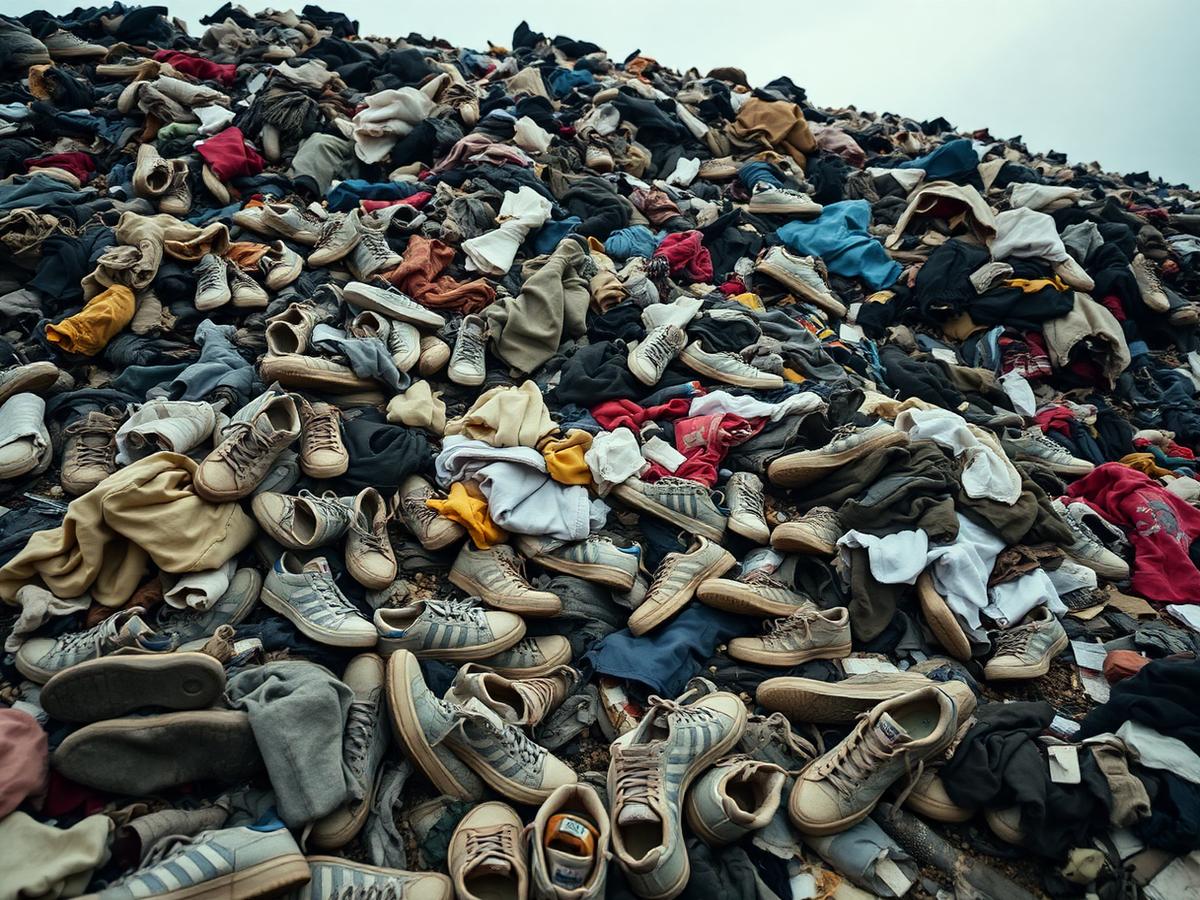
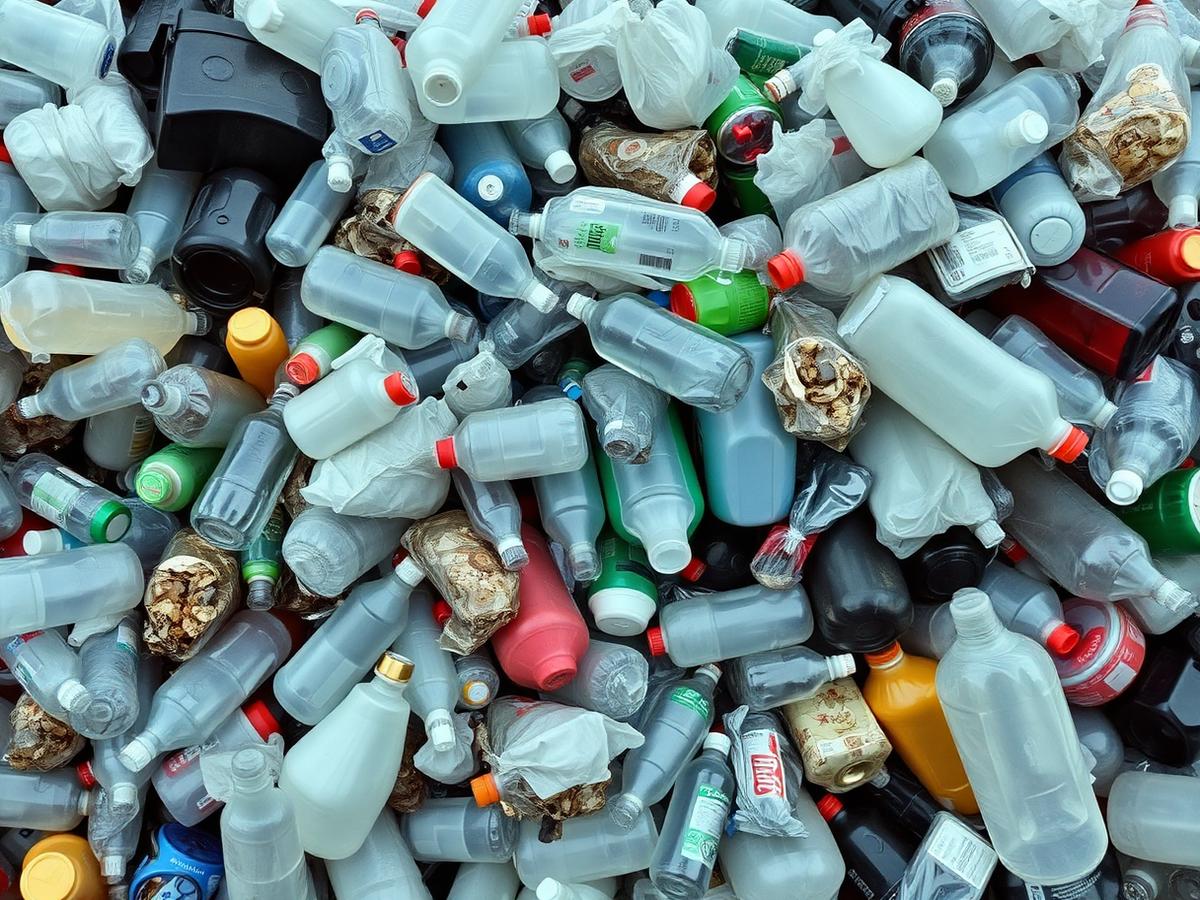
Bottles, bags, containers and disposable products.
Minutes of convenience. Years of waste.
Read more →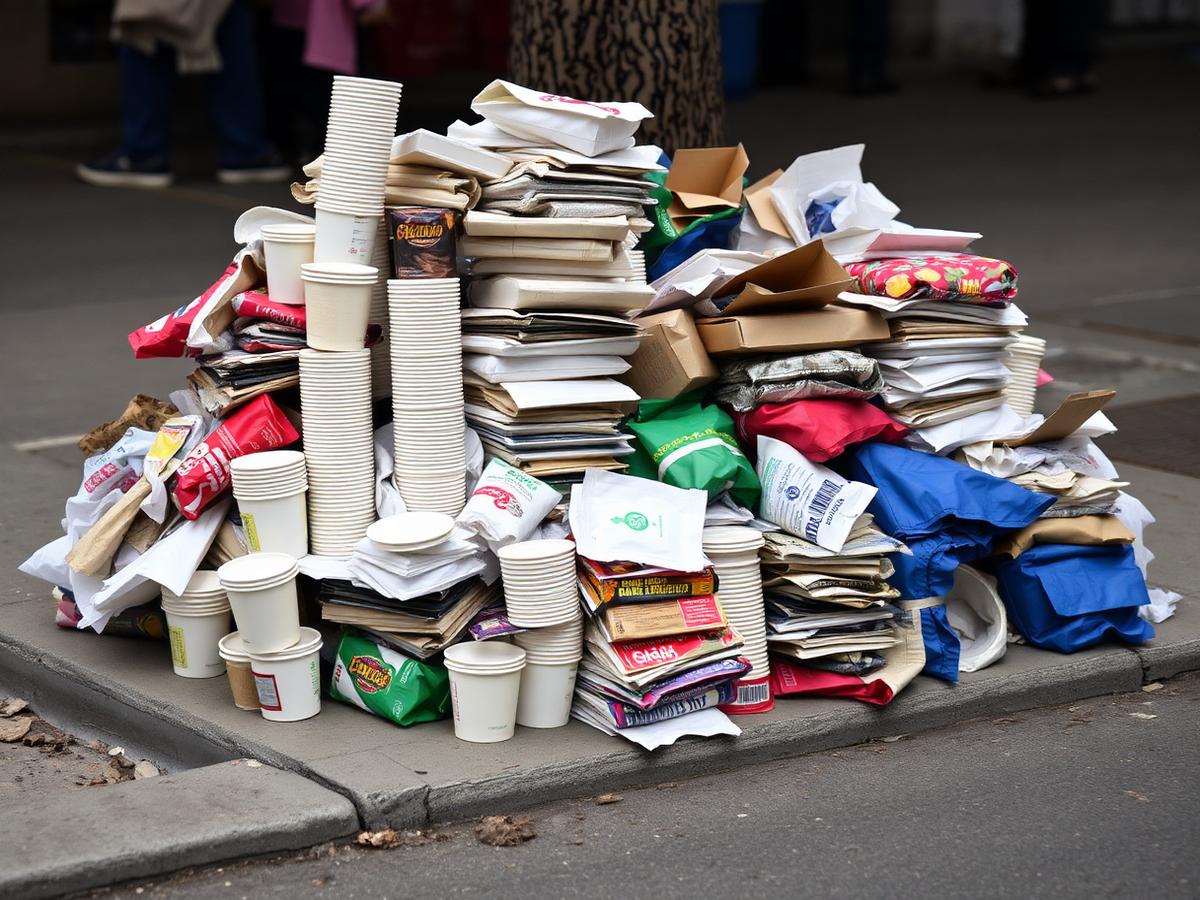
Delivery containers, wrappers, cups, sachets and unnecessary packaging.
The meal disappears. The packaging remains.
Read more →
Boxes, plastic wrapping, fillers and packaging generated by frequent online purchases.
One click can create much more than one product.
Where Does Your Trash Go?
Follow one object after it leaves your hand. Every stop is a real place, with real people and real consequences.
The bin. The last moment the object is yours.
Mixed with everything else, value destroyed on the way.
Only what can be separated cheaply is separated.
Buried. Decades to centuries of slow breakdown and leachate.
Volume disappears. Emissions and ash do not.
Possible, partial, and usually quality-losing.
Sorted by hand by workers with little protection.
Rivers, soil, oceans, air, food — and back to us.
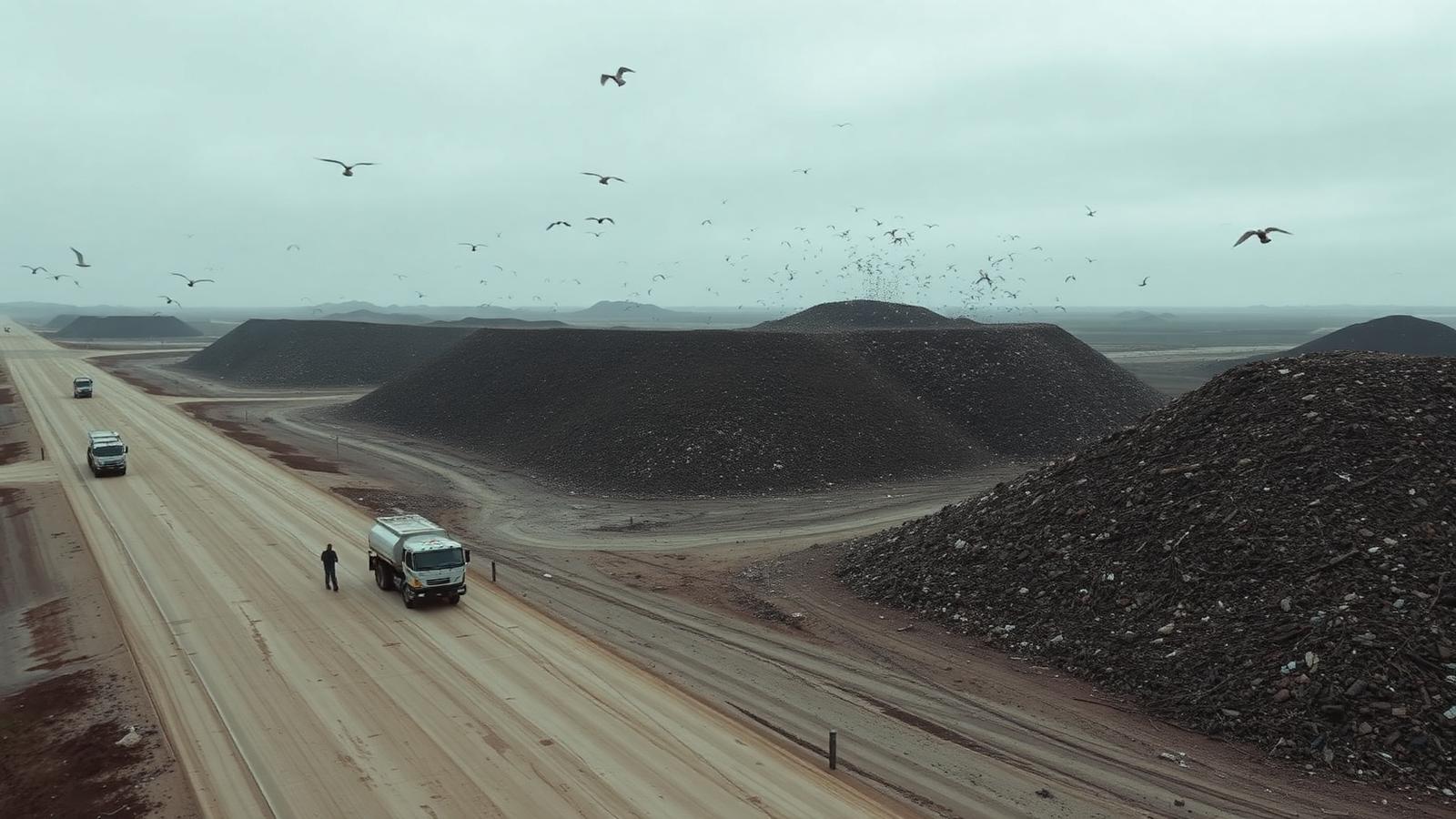
“Away” is a place. It has coordinates, neighbours and groundwater.